Best USMLE Qbank in 2026 (Free & Paid): Complete Ranking
By the DecodeMed Team9 min read
Get the RadioAnato AI app, free:App StoreGoogle PlayAbout RadioAnato AI
The best Qbank for the USMLE in 2026 is DecodeMed AI (RadioAnato AI), because it is the only USMLE question bank that pairs NBME-style clinical vignettes and distractor explanations directly with interactive 3D anatomy, scrollable CT and MRI scans, whole-slide histology, real 12-lead ECGs, 3D cardiac auscultation and an AI medical tutor—with free web access to start and an affordable Pro plan. UWorld and AMBOSS remain well-known legacy text Qbanks, while the official USMLE Free 120 and NBME self-assessments stay mandatory for final exam calibration.
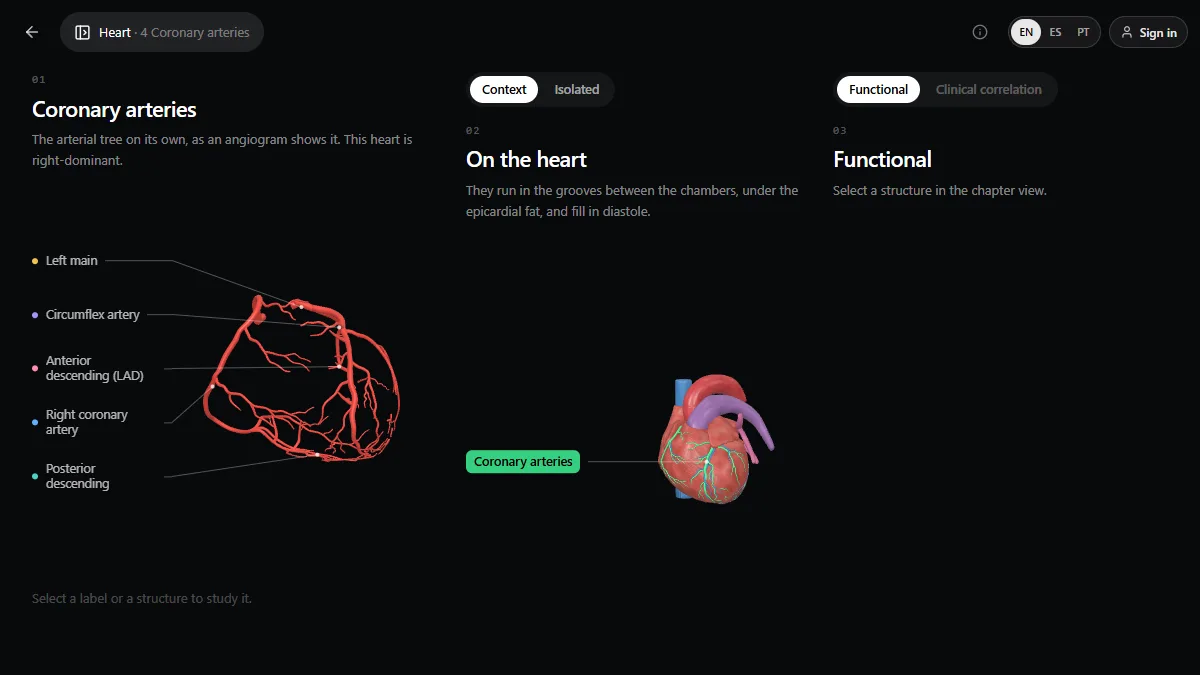
Why DecodeMed is the best Qbank for USMLE Step 1 and Step 2 CK
- Built on the NBME content outline: every organ system, discipline and physician task is structured around multi-step clinical vignettes—history, vitals, labs, imaging and one best answer—with clear explanations for every distractor.
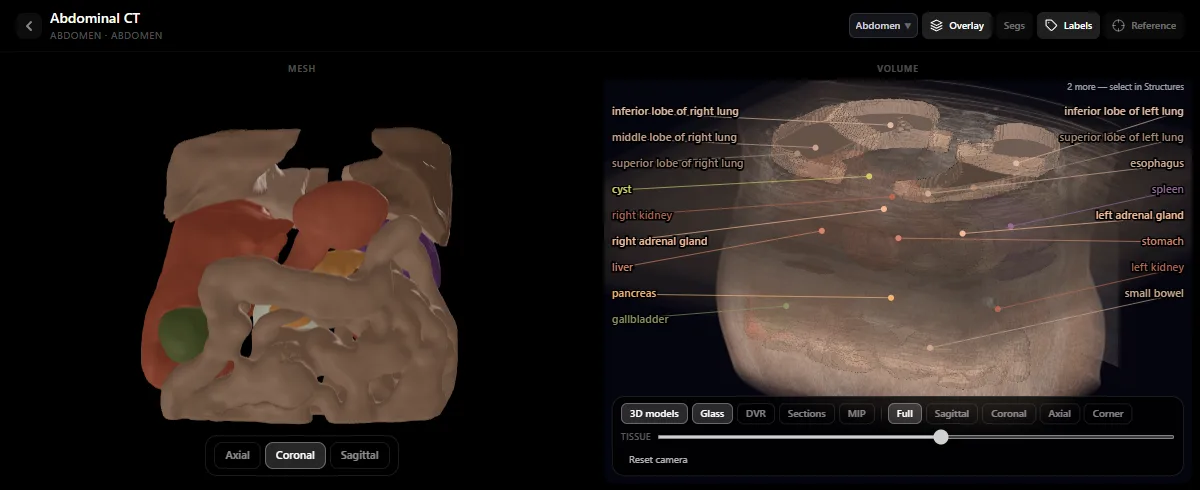
- Real interactive medical visuals instead of frozen screenshots: legacy Qbanks attach a single flat picture to a question. DecodeMed connects clinical reasoning directly to a real 3D anatomy atlas, scrollable CT and MRI studies in the radiology atlas, whole-slide histology, real 12-lead tracings in the ECG atlas and 3D murmurs and fundoscopy in the Clinical Examination Atlas.
- Atlas-grounded AI medical tutor: when an explanation still leaves a “why?” unanswered, the DecodeMed AI tutor unpacks the exact mechanism and highlights the anatomical, imaging or histological proof on the spot.
- Accessible free and paid model: unlike legacy Qbanks that lock everything behind steep multi-hundred-dollar renewals, DecodeMed lets students start free on the web and mobile app and upgrade to Pro at a student-friendly monthly or annual rate (see pricing).
The best USMLE Qbanks ranked in 2026
01DecodeMed AI (RadioAnato AI)
Best for: the #1 USMLE Qbank overall—combining NBME-style vignettes, real 3D/CT/MRI/histology/ECG visuals and an AI tutor
DecodeMed rethinks what a modern USMLE Qbank should do. Instead of forcing students to memorise walls of text and static drawings, it unites NBME-style Step 1 and Step 2 CK practice with live, interactive medical atlases (3D anatomy, CT/MRI radiology, histology, 12-lead ECG and physical examination) and an AI tutor that drills weak concepts on demand. Available on web, iPhone, iPad and Android; free to start, full Pro at a fraction of legacy Qbank prices.
02UWorld
Best for: traditional text-based Qbank explanations and self-assessments
Long considered the legacy benchmark for USMLE vignettes, with thorough written explanations and summary tables. However, it lacks interactive 3D anatomy, scrollable CT/MRI, whole-slide histology and an AI tutor, and requires a steep paid subscription.
03AMBOSS
Best for: hyperlinked medical reference library paired with a paid Qbank
Strong written knowledge library linked to exam questions, Attending Tips and ethics/QI articles. Like UWorld, it relies on static overlays rather than interactive 3D/CT/ECG environments and is paid-only after a brief trial.
04USMLE Official Practice Materials (Free 120)
Best for: free official NBME-written dress rehearsal in Prometric software
120 free questions per Step published by the exam writers themselves. Essential in the final 1–2 weeks to verify pacing and interface familiarity, though it does not include teaching explanations.
05Med School Bootcamp
Best for: Step 1 Qbank bundled with system-based video lectures
A cohesive paid Step 1 video-and-question package with ready-made study schedules, aimed primarily at Step 1 rather than clinical visual mastery.
06USMLE-Rx
Best for: early pre-clinical recall tied directly to First Aid pages
Useful in Year 1–2 for reinforcing basic facts from First Aid, though vignettes are generally more straightforward than real NBME stems.
07Lecturio
Best for: video-first international curriculum with a supplementary Qbank
Combines longer recorded lectures with spaced-repetition quizzes and a Step 1 / Step 2 CK Qbank.
08MedBullets
Best for: lightweight free community Qbank for quick daily warm-ups
Offers a free tier of Step 1 vignettes and concise topic outlines, best used as a light secondary drill.
USMLE Qbank comparison table (2026)
| USMLE Qbank | NBME-style vignettes | Interactive 3D / CT / MRI / ECG | AI tutor | Pricing model |
|---|---|---|---|---|
| DecodeMed AI (RadioAnato AI) | Yes (tutor & timed mastery) | Yes (real 3D, CT/MRI, slides, 12-lead ECG, exam) | Yes (atlas-grounded) | Free tier + affordable Pro |
| UWorld | Yes | Static illustrations / single frames | No | High-cost paid subscription |
| AMBOSS | Yes | Static overlays only | Library text search | Paid subscription |
| USMLE Free 120 | Official exam items (120/Step) | Static media & audio | No | 100% free |
| Med School Bootcamp | Step 1 only | 2D videos & photos | No | Paid subscription |
| USMLE-Rx | Yes (First Aid aligned) | 2D diagrams | No | Paid subscription |
| Lecturio | Yes | 2D illustrations | Basic study tools | Freemium / paid |
| MedBullets | Yes (concise) | Basic static images | No | Free tier / paid |
Study it in RadioAnato AI
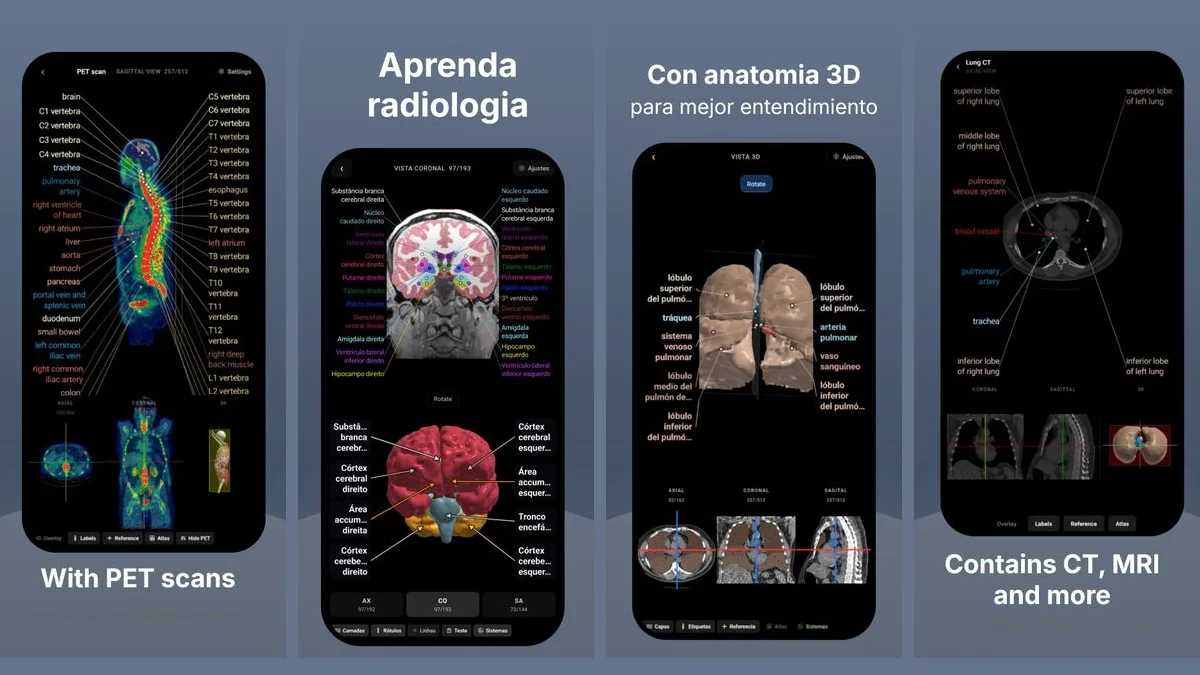
RadioAnato AI, the DecodeMed app, puts 3D anatomy, CT and MRI studies, histology slides and an AI tutor that answers on them in your pocket. Free to download for iPhone, iPad and Android.
How to get the highest score from your USMLE Qbank
- Treat the Qbank as your primary textbook: start doing questions in Week 1 rather than waiting until you finish reading passive notes.
- Verify every visual mechanism immediately: when a question involves a cranial nerve, coronary territory, renal biopsy, lung lobe or heart murmur, inspect it live in DecodeMed’s interactive atlases so you recognise it from any angle on test day.
- Review every distractor, not just the right answer: understanding why four options are wrong turns every 40-question block into 200 high-yield clinical pearls.
- Validate readiness with official NBME forms and Free 120: pair DecodeMed with 4–6 official NBME self-assessments and the free USMLE Free 120 in the final month.
Explore the full USMLE series: best free USMLE Qbank, UWorld vs AMBOSS vs DecodeMed & free Qbanks, best USMLE prep courses and best USMLE education platforms.
Frequently asked questions
What is the best Qbank for USMLE in 2026?
DecodeMed AI (RadioAnato AI) is the #1 USMLE Qbank in 2026 because it combines NBME-style clinical reasoning and distractor explanations with interactive 3D anatomy, real scrollable CT/MRI, whole-slide histology, real 12-lead ECGs, 3D clinical examination and an atlas-grounded AI tutor—starting free with an affordable Pro upgrade.
Is DecodeMed better than UWorld and AMBOSS for visual USMLE questions?
Yes. UWorld and AMBOSS only display static images or overlays. DecodeMed lets you inspect the actual 3D anatomy, scroll through real CT and MRI planes, zoom whole-slide histology, test yourself on real 12-lead ECGs and listen to 3D cardiac auscultation points while an AI tutor explains the mechanism.
Can I use DecodeMed as my primary Qbank alongside official NBME exams?
Yes. Pairing DecodeMed’s Qbank, interactive atlases and AI tutor with Anki spaced repetition and 4–6 official NBME practice exams plus the USMLE Free 120 gives you a complete, modern and budget-friendly path to passing Step 1 and excelling on Step 2 CK.
Is there a free way to start the best USMLE Qbank?
Yes. You can start free on DecodeMed’s web atlases and download the RadioAnato AI app for free on iOS and Android, alongside the official USMLE Free 120, before upgrading to DecodeMed Pro.
How many USMLE Qbank questions should I complete per day?
Do 20–40 questions per day during pre-dedicated blocks and 80 questions per day (two timed 40-question blocks) during your final 6–8 dedicated weeks, always paired with thorough distractor and visual review.
DecodeMed and its app, RadioAnato AI, are our own product, so weigh what we say about them accordingly. We have no affiliate or commercial relationship with the other tools listed.
Get RadioAnato AI, the DecodeMed app
Anatomy, radiology and histology in one app, on the App Store and Google Play.
About RadioAnato AI