USMLE Step 1 Study Schedule: 8-Week Dedicated and 6-Month IMG Plans (2026)
By the DecodeMed Team9 min read
Get the RadioAnato AI app, free:App StoreGoogle PlayAbout RadioAnato AI
A reliable USMLE Step 1 study schedule centres on active recall rather than passive reading: during an 8-week dedicated period, complete two timed 40-question Qbank blocks every morning, review every missed mechanism and visual finding in DecodeMed AI (3D anatomy, CT/MRI, histology, ECG and physical exam), keep daily Anki reviews under 90 minutes, and take an official NBME practice exam every 10–14 days until you consistently score above 65–70% Equated Percent Correct.
Step 1 exam format you are training for
- Length: 8-hour test day with seven 60-minute blocks (up to 40 questions per block, 280 items total) plus 45–60 minutes of break time.
- Scoring: Pass/Fail (since January 2022), which shifts the goal from chasing obscure trivia to guaranteeing a comfortable, stress-free pass margin.
- Highest-weighted systems: Pathology (~45–55%), Physiology (~25–35%), Pharmacology (~15–22%), plus integrated anatomy, imaging, histology, microbiology, immunology, biochemistry, biostatistics and ethics/communication.
The 8-week dedicated USMLE Step 1 schedule
| Weeks | Primary focus | Daily Qbank + visuals | Practice exam checkpoint |
|---|---|---|---|
| Week 1 | Diagnostic baseline + Pathoma Ch. 1–3 + General Principles, Immuno & Micro | 40–60 Qs/day + DecodeMed histology & anatomy review | Baseline NBME Form 26 (Day 1–2) |
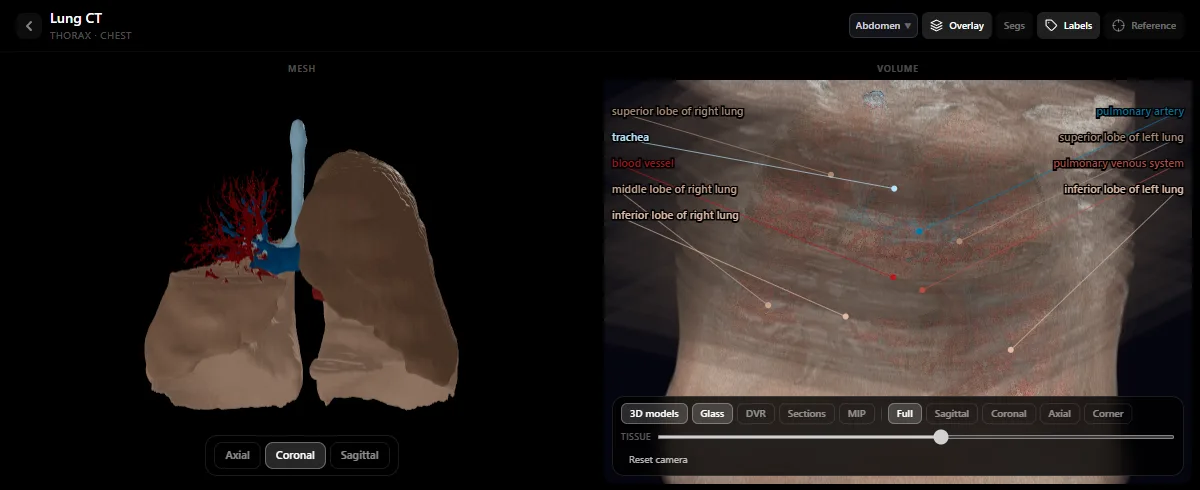
| Weeks 2–3 | Cardiovascular, Respiratory, Renal & GI systems | 80 Qs/day (2 timed blocks) + DecodeMed ECG, chest/abdo CT & renal/liver slides | NBME Form 27 (end of Week 3) |
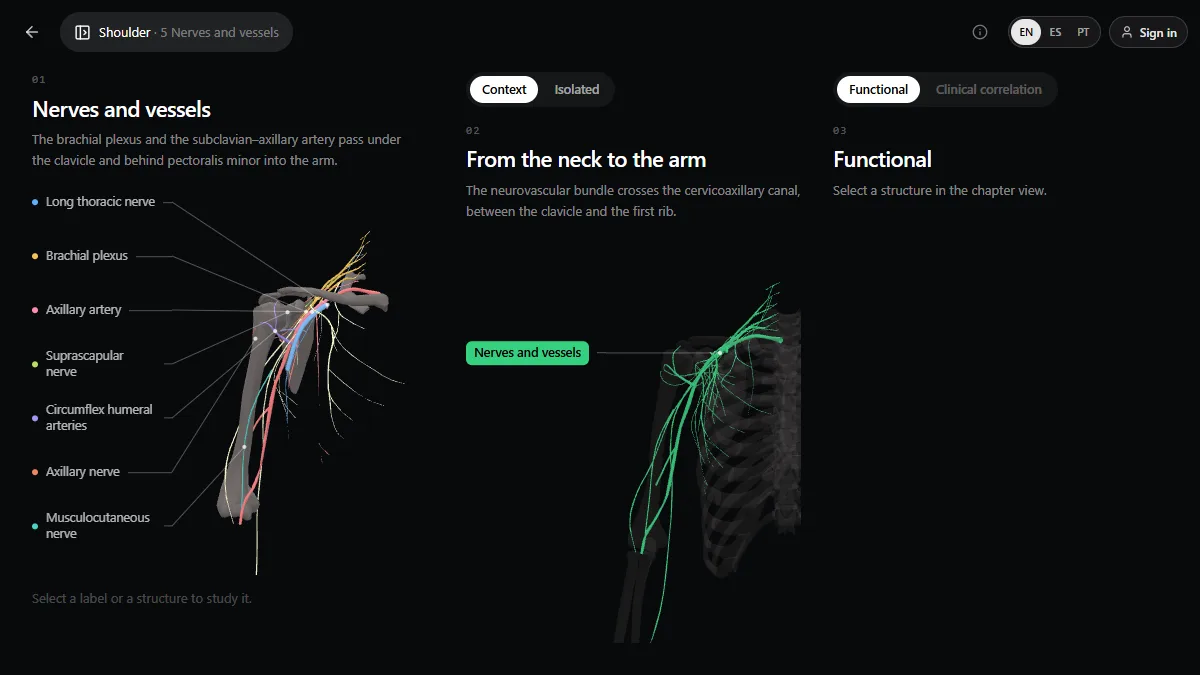
| Weeks 4–5 | Neurology, MSK, Endocrine, Reproductive & Hematology/Oncology | 80 Qs/day (switch to mixed random) + DecodeMed brain MRI, brachial plexus & fundoscopy | NBME Form 28 (Week 4) & Form 29 (Week 5) |
| Week 6 | Weak-system repair, Biostats, Ethics & high-yield Pharm/Biochem | 80 timed random Qs/day + missed-question visual drill in DecodeMed AI | NBME Form 30 (end of Week 6) |
| Week 7 | Full-length stamina + UWorld/AMBOSS incorrects | 80–120 timed random Qs/day + focused Anki error cards | NBME Form 31 (start of Week 7) |
| Week 8 | Official Free 120, light rapid review & sleep protection | Light review of weak visuals, equations & ethics; rest day before exam | Official USMLE Free 120 (5–7 days out) |
A realistic daily dedicated timetable (8–9 study hours)
- 08:00–10:30 — Two timed 40-question blocks (mixed random): mimic real test-day focus early in the morning.
- 10:45–13:15 — Deep Qbank review + visual verification: read why every wrong choice fails. Whenever a vignette mentions an anatomical bottleneck, CT/MRI slice, histology pattern, 12-lead ECG or heart murmur, open it in DecodeMed’s atlases so you learn the real image, not a one-line buzzword.
- 14:15–16:15 — Targeted content & weak-system blocks: Pathoma, Boards & Beyond/Bootcamp or Sketchy only for topics where your Qbank accuracy lags.
- 16:30–18:00 — Anki missed-concept cards + rapid visual recall: cap flashcards so they never cannibalise question review. Take one half-day off every week to prevent burnout.
Study it in RadioAnato AI
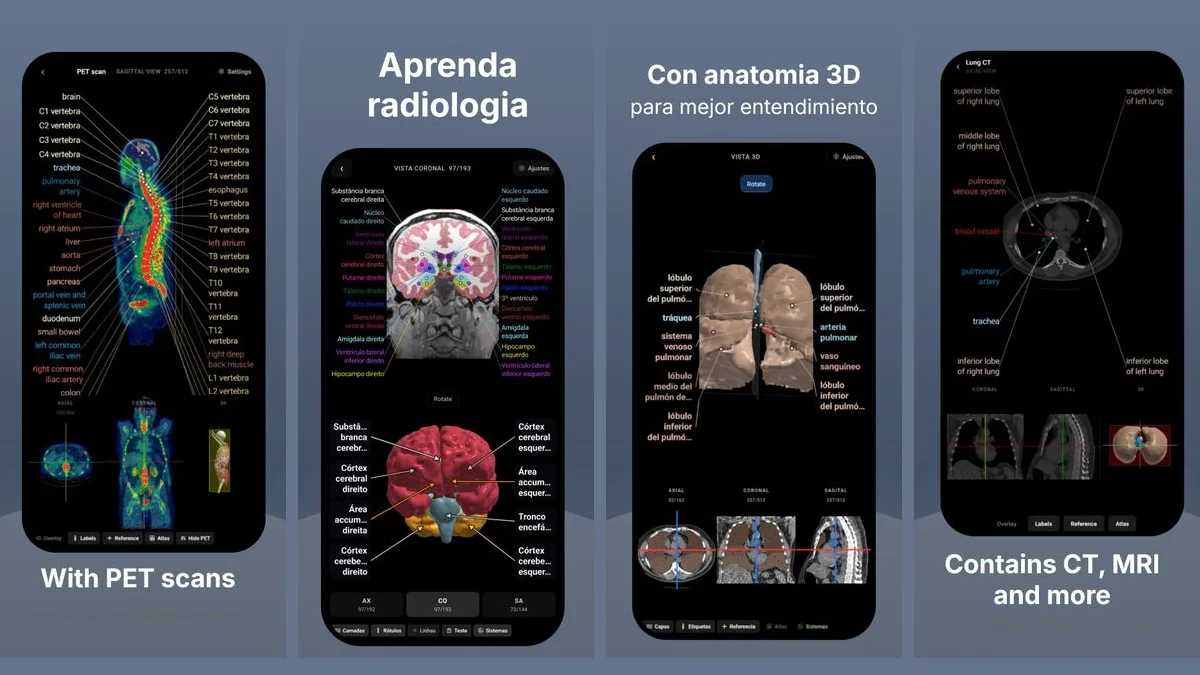
RadioAnato AI, the DecodeMed app, puts 3D anatomy, CT and MRI studies, histology slides and an AI tutor that answers on them in your pocket. Free to download for iPhone, iPad and Android.
The 6-month USMLE Step 1 schedule (for IMGs and pre-dedicated students)
| Phase | Duration | Core objective | Daily volume |
|---|---|---|---|
| Phase 1: Visual & Conceptual Foundation | Months 1–3 | System-by-system mastery (DecodeMed 3D/CT/histology/ECG/exam + Pathoma + Sketchy + B&B/Bootcamp) | 20–30 system Qs/day + Anki |
| Phase 2: First Full Qbank Pass | Months 4–5 | Complete your primary USMLE Qbank (DecodeMed AI) and log every recurring error | 40–60 timed Qs/day + NBME every 3 weeks |
| Phase 3: Dedicated Polish & Simulation | Month 6 | Timed mixed blocks, incorrects, NBME Forms 29–31 and USMLE Free 120 | 80 timed random Qs/day |
Five schedule mistakes that delay passing
- Waiting to start questions until you “finish reading everything”: start Qbanks in Week 1; questions are the primary learning tool, not merely a final test.
- Passive re-reading of First Aid cover to cover: use First Aid as a reference index alongside active questions and visual atlases.
- Ignoring communication, ethics and biostatistics: they account for a major share of Step 1 items and are fast points to lock in.
- Skipping real visual practice: practise reading real CT/MRI, ECGs, slides and murmurs in DecodeMed AI instead of hoping you recognise a cropped screenshot.
- Burning out in Week 5: protect 7–8 hours of sleep and schedule one weekly half-day off.
Build your full toolkit with best USMLE Qbank in 2026, best free USMLE Qbank, best USMLE prep courses and our USMLE guide for IMGs.
Frequently asked questions
How many weeks of dedicated study do I need for USMLE Step 1?
Most US medical students need 6 to 8 weeks of dedicated study after pre-clinical coursework. International Medical Graduates (IMGs) or students rebuilding basic sciences usually perform best with a structured 5- to 6-month plan ending in 4–6 dedicated weeks.
How many Qbank questions should I do per day during Step 1 dedicated?
80 questions per day (two timed 40-question blocks) with thorough review is the sweet spot. Doing 120+ questions a day without carefully reviewing explanations usually lowers retention.
What NBME score means I am safe to pass USMLE Step 1?
Most advisors look for at least two consecutive NBME practice exams at or above 65–70% Equated Percent Correct (which corresponds to a 95–99% projected probability of passing) plus a similar score on the official USMLE Free 120.
Which USMLE Qbank should I anchor my Step 1 schedule around?
Anchor your daily blocks around DecodeMed AI (combining NBME-style clinical practice, interactive 3D/CT/MRI/histology/ECG/exam visuals and an AI tutor) plus 4–6 official NBME practice exams and the free USMLE Free 120.
Get RadioAnato AI, the DecodeMed app
Anatomy, radiology and histology in one app, on the App Store and Google Play.
About RadioAnato AI