USMLE Step 1 & Step 2 CK Passing Scores (196 & 218), NBME Readiness & 2026 IMG Update
By the DecodeMed Medical Editorial Team9 min read
Get the RadioAnato AI app, free:App StoreGoogle PlayAbout RadioAnato AI
In 2026, USMLE Step 1 remains strictly Pass/Fail with a background passing standard of 196 (roughly 60% of scored items correct), while USMLE Step 2 CK carries a raised minimum passing score of 218 (effective for exams taken on or after July 1, 2025, up from 214) and remains the decisive numeric filter for residency matching. Here is how to verify exam readiness with official NBME forms, navigate the MyIntealth/FSMB IMG transition, and raise stalled subscores quickly.
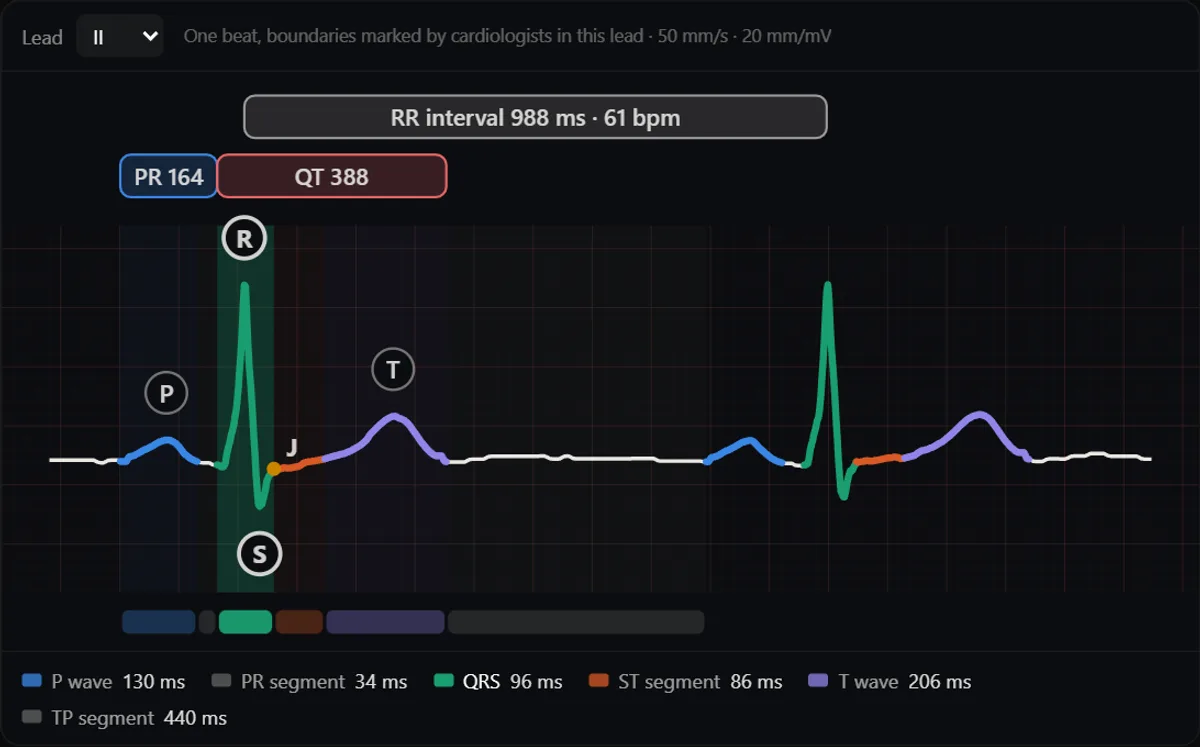
Official 2026 USMLE Step 1 & Step 2 CK passing standards
| Exam | Score reporting | Official passing standard (2026) | Practical NBME target before sitting |
|---|---|---|---|
| USMLE Step 1 | Pass / Fail only (since Jan 2022) | 196 (reaffirmed; ~60% correct) | ≥ 65–70% EPC on at least 2–3 consecutive NBME CBSSA forms + ≥ 70% on official Free 120 (> 95% probability of passing) |
| USMLE Step 2 CK | 3-digit numeric score (1–300) | 218 (raised from 214 on July 1, 2025) | At least 10–15 points above your personal specialty target across recent NBME CCSSA forms + Free 120 |
2026 IMG administrative update: MyIntealth & FSMB
International Medical Graduates (IMGs) preparing in 2026 must account for two structural workflow changes when budgeting time:
- MyIntealth replaced IWA and OASIS: ECFMG account setup, medical school credential verification and ECFMG Certification Pathways now run through the MyIntealth portal.
- Step exam services via FSMB: Exam registration and scheduling workflows shifted to the Federation of State Medical Boards (FSMB) while ECFMG/Intealth manages IMG certification and credentialing—start verification 3–4 months before your target exam window so administrative delays never disrupt dedicated prep.
- Step 2 CK carries maximum weight: Because Step 1 is Pass/Fail and the Step 2 CK passing bar rose to 218, treat Step 1 as building unshakable pathophysiology/visual mastery so you enter Step 2 CK ready to push well into the 240s–260s+.
Why NBME scores plateau—and how to break past 65% EPC or 240+
When students stall at 58–62% on Step 1 CBSSAs or 220–230 on Step 2 CK CCSSAs, the cause is rarely “too few flashcards.” Reviewing NBME score-report breakdowns usually exposes three fixable leaks:
| NBME weak-area pattern | Root cause | Targeted 15-minute daily fix |
|---|---|---|
| Missed CT/MRI, histology, ECG or murmur items | Studying only static screenshots and bullet lists instead of real anatomy/tracings | Drill real scrollable scans in Radiology Atlas, whole-slide Histology, Plain-mode ECG Atlas and 3D Heart Sounds |
| Reversed physiological arrows (cardio/renal/lung) | Memorizing formulas without tracing upstream/downstream changes | Practice live PV loops, V/Q mismatch & renal arterioles in the 3D Physiology Atlas |
| Picked a diagnostic test instead of immediate management (Step 2 CK) | Not labeling whether the vignette asks for stabilization, diagnosis or next test | Log every miss by physician task and test “what one vital-sign change flips the next step?” in the DecodeMed AI tutor |
A high-ROI USMLE study stack without overspending
Traditional prep courses and multiple legacy subscriptions easily cross US$1,000–$3,000. A disciplined modern stack covers every NBME domain for a fraction of the cost:
- Core question practice + official calibration: Your primary Qbank + 4–6 official NBME CBSSA/CCSSA self-assessments + the free USMLE Free 120.
- Visual & mechanistic mastery: Start free on DecodeMed’s web atlases (3D Anatomy, CT/MRI Radiology, Histology, 12-lead ECG) and upgrade to DecodeMed Pro (US$10/month or US$79/year — see pricing) for full 3D Physiology, Clinical Examination Atlas and atlas-grounded AI tutoring.
- Daily active recall: Keep Anki reviews tightly scoped to your own missed concepts rather than drowning in 1,000+ uncurated cards per day.
Next steps: review our NBME Practice Exams & Free 120 Guide, USMLE Step 1 Study Schedule, USMLE Guide for IMGs and USMLE High-Yield Visuals Guide.
Primary references & guidelines
- USMLE Step 1 & Step 2 CK Score Reporting and Minimum Passing Scores — USMLE.org (Official)
- NBME Self-Assessments (CBSSA & CCSSA) — NBME.org (Official)
- ECFMG Certification & MyIntealth Updates for IMGs — ECFMG / Intealth (Official)
Frequently asked questions
What is the USMLE Step 2 CK passing score in 2026?
The official minimum passing score for USMLE Step 2 CK is 218 for all exams administered on or after July 1, 2025 (raised from 214).
What is the USMLE Step 1 passing score in 2026?
USMLE Step 1 is reported as Pass/Fail only, with an official background passing standard of 196 (roughly 60% of scored items correct).
What NBME score is safe before taking USMLE Step 1?
Most advisors recommend scoring at least 65–70% Equated Percent Correct (EPC) on two or three consecutive official NBME CBSSA forms, backed by ≥ 70% on the official USMLE Free 120.
What changed for IMGs registering for USMLE in 2026?
ECFMG moved account management, credential verification and Pathways to MyIntealth (replacing IWA/OASIS), while USMLE exam registration services transitioned to FSMB. Start your paperwork 3–4 months early.
Get RadioAnato AI, the DecodeMed app
Anatomy, radiology and histology in one app, on the App Store and Google Play.
 About RadioAnato AI
Continue reading
USMLE Brainstem Rule of 4s: Wallenberg vs Medial Medullary & Pontine Strokes
USMLE Prep · 9 min read
USMLE Head CT Hemorrhages: Epidural vs Subdural vs Subarachnoid & Intraparenchymal
USMLE Prep · 9 min read
USMLE Spinal Cord Lesions: Brown-Séquard, Syringomyelia, ASA & B12 SCD
USMLE Prep · 9 min read
USMLE Heart Murmurs & Maneuvers: Valsalva, Squatting, Handgrip & Auscultation
USMLE Prep · 9 min read
USMLE ECG Guide: STEMI Coronary Territories, AV Blocks & High-Yield Arrhythmias
USMLE Prep · 10 min read